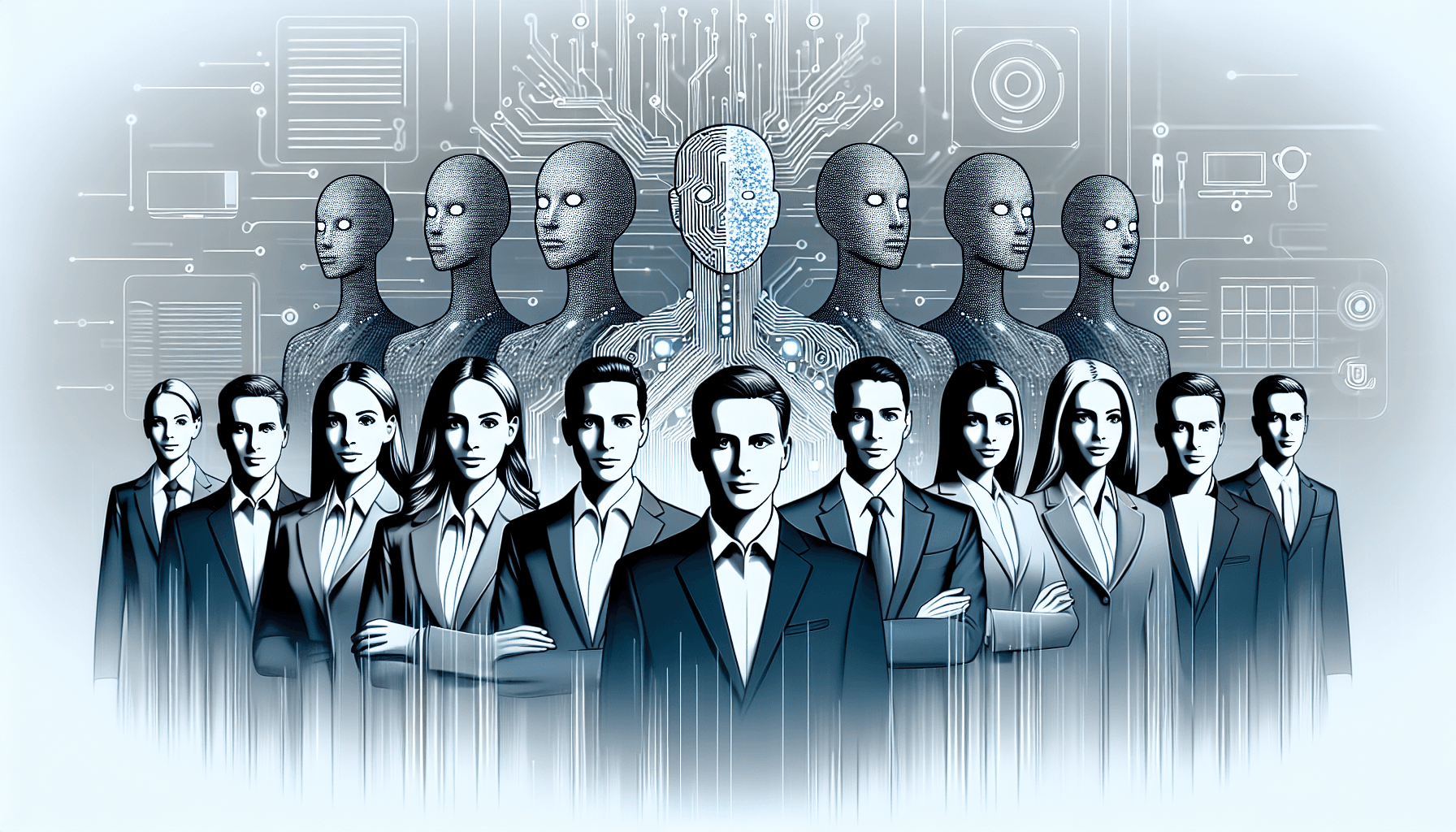
Artificial intelligence (AI) is rapidly transforming the digital landscape, with chatbots standing at the forefront of this revolution. What began as simple, rule-based conversation tools has evolved into intelligent assistants capable of handling complex queries. But the next wave of innovation goes even further: AI chatbots are now morphing into autonomous agents, empowered not just to assist, but to act independently. In this article, we'll delve into how the next generation of AI chatbots is taking shape, what makes autonomous agents different, and what this shift means for businesses and consumers.
The AI Chatbot Revolution
From their humble beginnings, AI chatbots were designed to streamline customer service, providing quick answers to frequently asked questions. Early versions often left users frustrated by their limited understanding and repetitive answers. However, the advent of large language models (LLMs) like GPT-3 and GPT-4 enabled a new class of conversational AI—chatbots that can comprehend context, nuance, and intent.
Today, these advanced assistants are embedded everywhere: on websites, in messaging apps, and even within enterprise software. They help schedule appointments, draft emails, offer technical support, and more. But as everyday tasks become more complex, the limitations of being 'just' an assistant are beginning to show. Enter the era of autonomous agents.
From Assistants to Agents: What's the Difference?
To understand this transition, it's important to distinguish between traditional AI assistants and autonomous agents:
- AI Assistants: React to explicit user prompts and perform defined tasks, typically requiring supervision. They're great at guidance and support but wait for instructions before acting.
- Autonomous Agents: Possess the capability to set goals, plan and sequence actions, and execute tasks with minimal human intervention. They can learn, adapt, and even initiate actions proactively.
In essence, while assistants help, agents act. This leap is powered by advancements in machine learning, reinforcement learning, and sophisticated reasoning engines.
Key Technologies Powering Autonomous AI Agents
The transition from chatbot to agent is more than just a software upgrade—it represents a convergence of several cutting-edge technologies:
1. Advanced Language Models
Modern LLMs, like OpenAI's GPT-4 or Google's Gemini, provide sophisticated understanding and generation of human-like text. These models enable agents to handle ambiguous or complex instructions, understand nuanced conversation, and generate natural, meaningful responses.
2. Multi-Step Reasoning and Planning
Next-gen agents integrate planning algorithms and tree-search methods to break down complex objectives into actionable steps. This means they not only answer your questions but can solve intricate problems, such as booking a multi-leg trip or managing an entire sales process autonomously.
3. API Integration and Tool Use
Autonomous agents can interface with external APIs and use digital tools on your behalf. For example, an agent might access your calendar, book meetings, send emails, make online purchases, or interact with business systems for you—blurring the line between virtual and physical actions.
4. Continuous Learning and Adaptation
Unlike static programs, autonomous agents learn from their experiences. Through reinforcement learning and other adaptive techniques, they grow more capable and personalized over time, continually improving the outcomes they deliver.
Real-World Applications: Where Are Autonomous Agents Making an Impact?
The shift from assistants to agents is unleashing new possibilities in a broad range of industries:
- Customer Service: Beyond answering queries, agents can resolve customer complaints, process refunds, and even anticipate support needs before users reach out.
- Productivity: Agents handle complex workflows, manage projects, schedule meetings, and remind teams of deadlines—freeing up invaluable human attention.
- Sales and Marketing: Automated agents engage leads, nurture prospects, update CRMs, and execute multi-channel campaigns independently.
- Healthcare: Virtual agents streamline patient triage, manage appointment scheduling, and follow up on treatment plans with minimal human oversight.
- E-commerce: From personalized shopping recommendations to handling orders and logistics, agents are transforming how businesses interact with customers.
Benefits of Autonomous AI Agents
The advantages of AI agents over traditional assistants are transformative:
- Scalability: Agents can handle exponentially more tasks in less time, supporting millions of interactions simultaneously.
- Proactivity: They don't wait for commands; agents anticipate needs and take action, minimizing friction for users.
- Customization: With continuous learning, agents deliver increasingly tailored experiences for every individual or organization.
- Cost Efficiency: Automation at scale drives down operational costs, freeing human teams to focus on strategic, creative tasks.
Challenges and Considerations
Transitioning to autonomous AI agents also brings new challenges:
- Trust and Transparency: Ensuring users trust agents to act on their behalf requires clear explanations, transparency in decision-making, and robust oversight mechanisms.
- Security and Privacy: Agents handling sensitive data or integrating with external systems must uphold strict privacy standards and safeguard against unauthorized actions.
- Ethical Concerns: As agents make decisions independently, ethical considerations—like bias, fairness, and accountability—become more pressing.
- Complexity Management: Designing, deploying, and maintaining autonomous agents is significantly more complex than traditional chatbots.
The Road Ahead: What’s Next for AI Chatbots?
We're only at the beginning of the autonomous agent revolution. The coming years will see these agents grow smarter, more capable, and increasingly independent. Expect sophisticated multi-agent collaborations, where fleets of AI agents coordinate to solve problems that no single bot could handle alone.
For businesses and consumers, the opportunity is clear: embrace AI agents not just as helpers, but as partners capable of driving efficiency, innovation, and growth.
Conclusion
The next generation of AI chatbots is not just about better conversation—it’s about intelligent, independent action. As they evolve from reactive assistants to proactive, autonomous agents, these systems are poised to reshape how we interact with technology, conduct business, and organize our lives. The future of AI chatbots is not just in serving us—but in acting alongside us.
Ready to see what autonomous AI agents can do for you? The future is here—are you prepared to harness it?